TL;DR
Reading books is one of the most cognitively and biologically beneficial habits a human can build, yet it is under more threat than ever from digital screens, and AI tools that deliver pre-digested information on demand. This article explores the science behind how reading transforms the brain, how fiction and non-fiction affect us differently, and why the physical act of reading still matters in a world of infinite digital content.
Who should read this?
Anyone who used to read but drifted away, who reads occasionally but wants to understand why it is worth protecting that habit, and knowledge workers who rely on AI tools daily.

A Brief History of Reading and Books
Books present a well-organised topic heading within a holistic narrative. From stone tablets to iPads, and from dictionaries to prompts, the way humans store and access knowledge has transformed dramatically but the book has remained a central vessel throughout.
Reading became widespread after the invention of the printing press, but the journey to written language began much earlier. It evolved from shapes to letters, from words to sentences, from stories to text and books as we know them today. In Nexus, Yuval Noah Harari describes how the book was perceived as a radical technology when it first appeared; the second major information tool in human history, after oral storytelling.
Seeing and making sounds are natural human abilities, but reading is not one of them. Throughout evolution, the brain never developed a dedicated region for reading. Humans, by evolution, weren't equipped with reading skills. Literacy is roughly 4,000 years old (writing was invented around 5,000 years ago), making it almost a baby skill compared to our deeply evolved abilities to see and make sounds. The Sumerians invented the first writing system around 3300 BC, but despite this early development, reading wasn't widespread before the invention of the printing press in the 15th century, after which it became more common. Long after that, literacy improved drastically in the 18th and 19th centuries, driven by industrialisation and the rise of compulsory education.
My Brief History of Reading
I wasn't exactly a reader growing up; I found it boring. Then I got a Kindle, and technology did the trick for me.
There are two main reasons why I read books, and quite conveniently, one maps to fiction and the other to nonfiction:
- The feeling of learning — understanding an expert's point of view on a topic they've spent their life on
- An escape from busy life — being able to slow down and focus on a story I could never experience in real life
As time proceeded, I began to appreciate the knowledge and one's transformation more, and the books proved to be the best tools one can find for these.
In 2025, for the first time, I achieved my annual reading challenge in Goodreads for the first time. Naturally, I set an even higher target for 2026, though Goodhart's Law quickly made itself known: I could technically hit that number just by reading a lot of short books. So instead of chasing counts, I'm trying to value the content of books and how they transform me. I mostly enjoy non-fiction but lately, after a good research and a brilliant reference (Improbable by Adam Fawer), I've started reading fiction books again, as well as reading non-fiction books along with it.
I try to read three books at a time: a fiction, a non-fiction and a domain specific book, in my case it is anything about data or artificial intelligence. Reading multiple books at the same time has also had an unexpectedly complementary effect. Common concepts start surfacing across very different books, and being able to develop different perspectives and use cases for the same ideas makes each one richer. For example, Storyworthy and Continuous Discovery Habits ended up speaking to each other in surprising ways — and the same happened between Continuous Discovery Habits and Data Loom.
I also try to have at least one physical book among these three. See next section for the surprising aspects and benefits of physical books over e-books.
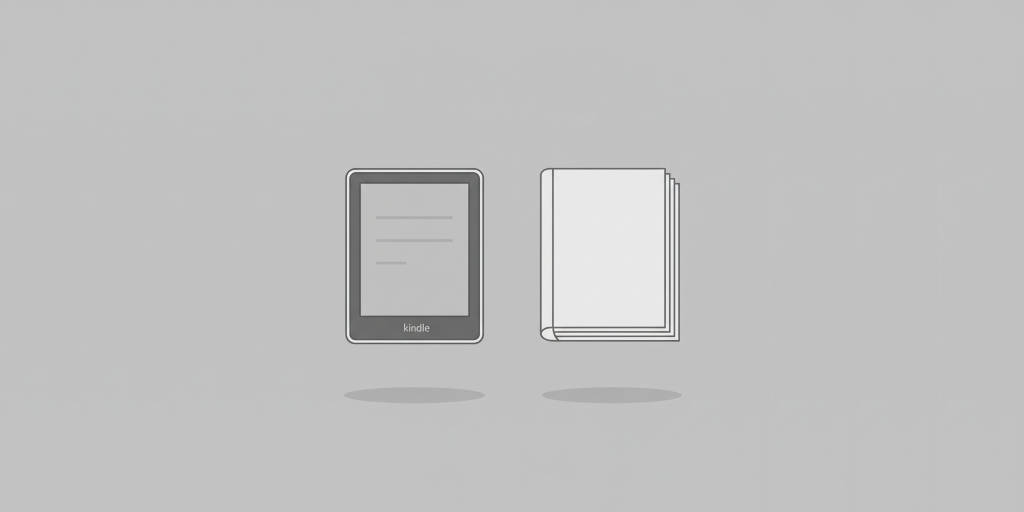
Physical Books or E-Books?
There are no real alternatives to reading, not even e-books.
When reading physical books, the position of pages within the book and the position of text on the pages significantly affect how the brain experiences it. Each book's thickness, the texture of its pages, font type, and even font size are influential factors in this experience and contribute differently to how the brain learns. This is well supported by science: a study published in PLoS ONE found that physical book readers had a more coherent mental reconstruction of a story's chronology compared to Kindle readers likely because sensorimotor cues (the feel of pages, physical progress through the book) help anchor memories spatially. Many readers recall where on a page they read something, i.e. top-left, bottom-right, a spatial memory cue that largely disappears on digital devices. Physical books engage more of the brain's tactile, kinaesthetic, and spatial systems simultaneously, supporting deeper encoding.
Highlighting in Kindle versus taking notes on paper is another dimension worth considering. Kindle highlighting, while convenient, can create a false feeling of learning, the act of tapping feels like engagement, but without the physical effort of writing, the information is less likely to stick.
Fiction or Non-Fiction Books?
Nonfiction presents an idea or piece of knowledge you wouldn't normally encounter on the street, delivered as a meaningful whole. Fiction, on the other hand, takes you on a journey through a fictional story and lets you live a life you could never live yourself.
Fiction and non-fiction each stimulate the brain in distinct ways. Fiction activates the default mode network and mirror neuron system, the same circuits used in real-world social interaction, making it uniquely powerful for building empathy and Theory of Mind, while also shifting the nervous system toward a parasympathetic (rest-and-recover) state. It also produces lasting increases in brain connectivity across sensorimotor and language regions. Non-fiction, on the other hand, engages the prefrontal cortex and hippocampus more intensively, strengthening critical thinking, analytical reasoning, and long-term memory consolidation through structured, hierarchical information processing with one large meta-analysis suggesting non-fiction has a comparatively stronger impact on overall cognitive performance.
How Do AI Chat Tools Impact Reading?
AI chatbots and search-integrated AI are fundamentally reshaping how people access information and shifting the web from a destination to a data source.
The "Zero-Click" Effect on Websites
AI tools like ChatGPT, Gemini, and Perplexity synthesise answers directly on the search interface, meaning users rarely need to visit the original webpage anymore. This has created what's known as zero-click search; around 60–65% of Google searches now end without a single click to an external website. Websites are seeing 20–40% fewer sessions year-over-year as a result, and Gartner forecasts a 25% reduction in traditional search query volumes by 2026 as AI "answer engines" absorb more of that demand.
How Information Retrieval Is Changing
The model has shifted from keyword-based retrieval (find a list of links → visit a page → read) to conversational, semantic retrieval (ask a question in natural language → get a synthesised answer instantly). AI systems now understand the intent behind a query rather than just matching keywords, and they can maintain context across follow-up questions in a single conversation thread. Information is no longer retrieved from the web by users; it is pre-aggregated, summarised, and delivered to them, with the underlying sources increasingly invisible. This is fundamentally changing what it means to be "discoverable" online: the new battleground is whether an AI model cites or trains on your content, not whether your page ranks on page one.
Beyond how we search, the effort going into writing prompts is itself becoming a new form of information literacy. And the sheer volume of output AI can now produce, especially with parallel agents running simultaneously, raises the question of whether the bottleneck is shifting from access to information to how to meaningfully engage with it. That is precisely where reading books holds its ground.
Benefits of Reading Books
Brain and Thinking Skills
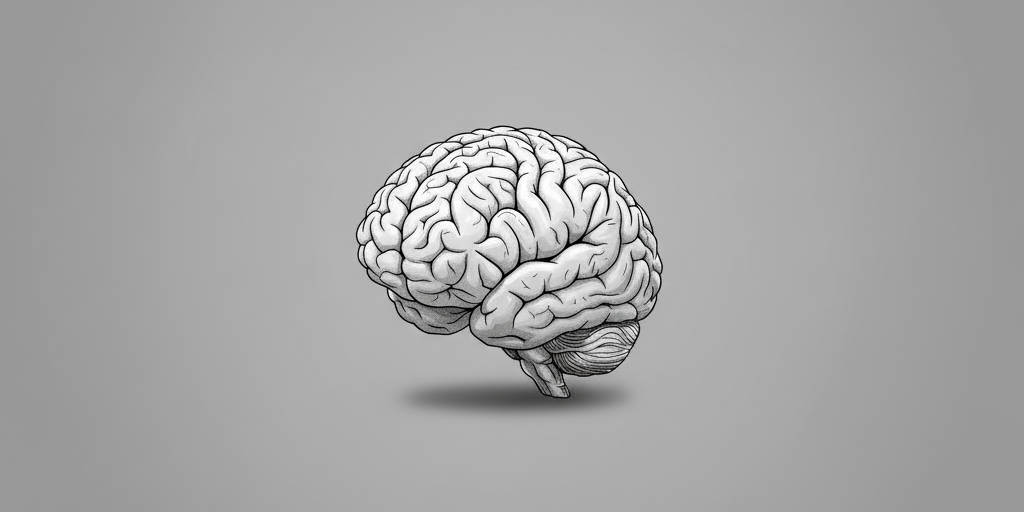
Reading creates a reading network in the brain by drawing a little from each of the other regions: vision, hearing, language, and attention. In doing so, it exercises the entire brain and strengthens the connections between regions. Notably, graphic-based languages like Chinese and alphabet-based languages develop different regions of the brain: reading Chinese, for instance, relies more heavily on visual memory and visual thinking due to the nature of symbols and characters.
fMRI studies conducted at Emory University show that after reading a novel, the connections in the left temporal cortex, the brain's language processing and physical sensation centre, remain strong for days. When you read that a character is running, the motor neurons in your brain fire as if you were actually running. Even after the book is finished, the brain continues to store this experience like a physical memory, transforming reading from a passive act into a biological workout.
Reading books is not just about gaining knowledge, it is about transforming the person. Cognitive neuroscientist Stanislas Dehaene's research shows that reading physically reorganises the brain's neural architecture through a process he calls neuronal recycling: repurposing circuits for object recognition, speech, and visual attention into a reading network. Even learning to read in adulthood profoundly restructures deep brain networks, not just the outer cortex. Regular reading increases grey matter volume in language and memory areas and strengthens white matter connectivity. These changes that go far beyond simply storing information.
Focus and Learning Skills
Reading books lets you stay and learn at your own pace, and it improves your ability to focus on content. To be successful at anything, you need to practise and focus for long hours, enter a flow state, and make a real commitment, all of which require a longer attention span.
A global case study worth considering is Gen Z. The more time children spend in front of screens, the lower their future academic achievement tends to be. The brain grows in an environment where it is constantly stimulated, but when attention is perpetually scattered, the brain begins to crave that stimulation in the long run, making sustained focus increasingly difficult.
Biological and Relaxing State
Reading also affects the body: the excitement that characters experience in novels affects us emotionally. Beyond this, it helps you live longer. Research shows that reading reduces stress by calming the nervous system and lowering heart rate, builds emotional resilience, and even extends life: a 12-year Yale University study found that regular readers live an average of 23 months longer than non-readers, regardless of education, income, or health status. Fiction in particular allows the brain to simulate relationships and emotions, fostering empathy and softening loneliness, all within a safe mental space free from social pressure. Reading also strengthens cognitive reserves by simultaneously engaging attention, memory, and imagination, making the brain more resistant to age-related decline. The good news is that none of this requires hours of commitment; even 10–30 minutes a day is enough, as long as reading becomes an enjoyable habit rather than a chore.
Social, Communication, and Emotional Skills
According to researcher Raymond Mar, people who read fiction score significantly higher on Theory of Mind tests. Literature develops the ability to understand not just what the person in front of us is saying, but also what they are feeling and why they behave the way they do. This process calibrates the brain's social networks for complex human relationships, giving a good reader not just a broader vocabulary, but the ability to read people better.
Beyond the individual, reading fosters human connection around common texts. Studies by sociologists on reading groups show that bonds formed around shared texts significantly increase the sense of social belonging. Although individual reading is an inward-looking act, talking about that text transforms the subjective experience into collective meaning. Two strangers discussing the same book are no longer distant from each other; they become citizens of the same intellectual geography. Among the foremost things that hold societies together are the stories they reflect on together.
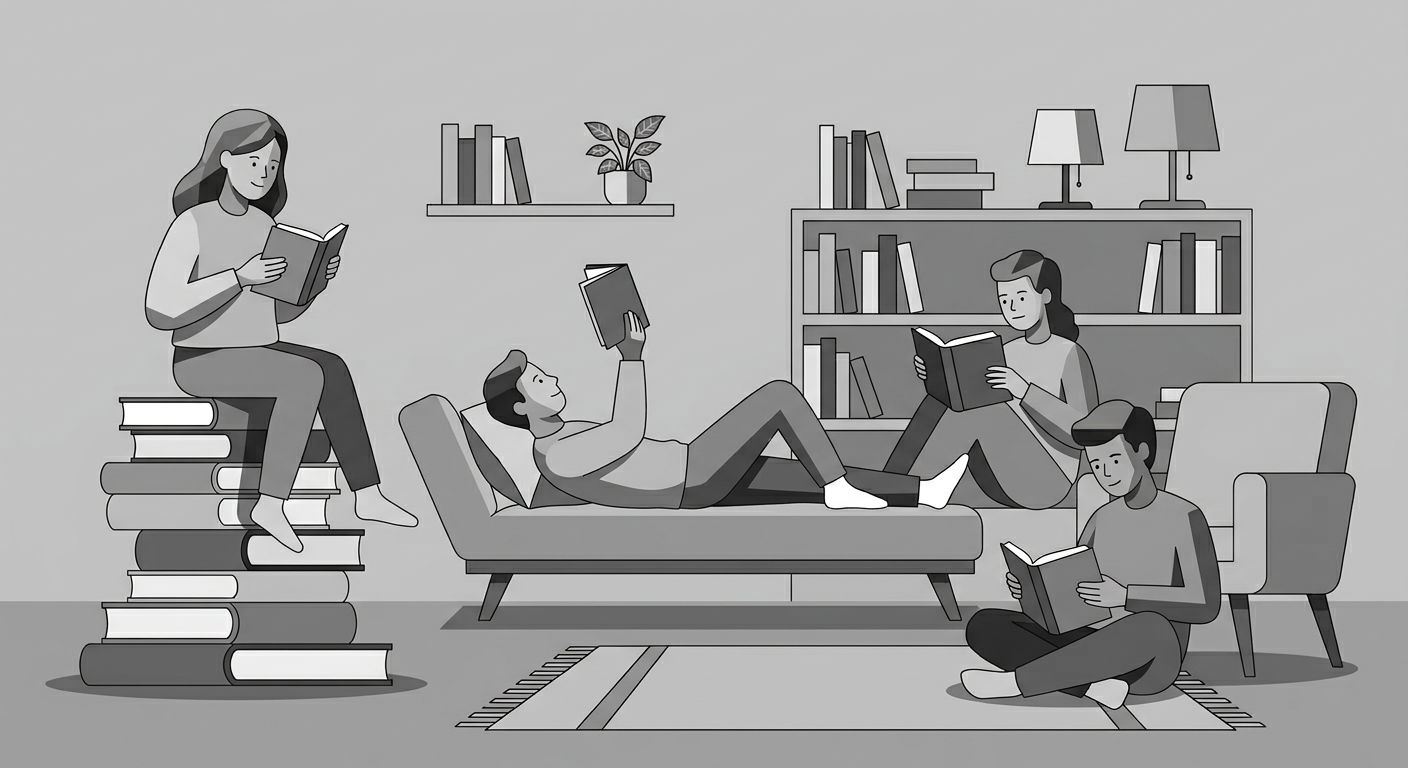
How Can We Make Reading More Appealing?
For children, the key is making reading feel like play, not a task. A few effective approaches:
- Follow their interests — let them pick books about their favourite topics, whether football, animals, or superheroes, so reading feels personally relevant
- Use varied formats — comics, graphic novels, audiobooks, and magazines all count, and they lower the barrier to entry for reluctant readers
- Keep distractions away — limit time in front of screens — TVs, smartphones, tablets — to prevent attention spans from being eroded
For adults, the biggest barrier is usually time and habit — so the focus should be on reducing friction and rebuilding enjoyment:
- Choose books you genuinely want to read, not ones you feel you should read — matching the book to your current mood or curiosity matters more than prestige
- Start small — even 10–15 minutes before bed, one chapter at a time, is enough to build a sustainable habit
- Set light goals — tracking progress on apps like Goodreads or setting a yearly reading goal adds gentle motivation without turning it into a chore
Resources
- PLoS ONE — study on physical book readers vs. Kindle readers and mental reconstruction of story chronology
- Gartner / Forbes Tech Council — the zero-click future and AI chatbots as customer channels
- Stanislas Dehaene, Reading in the Brain — how reading reorganises the brain's neural architecture
- Gen Z and screen time — neuroscientist on screen time and academic achievement
- Raymond Mar et al. (2009) — reading fiction and empathy